Retaining Walls Tamborine Mountain
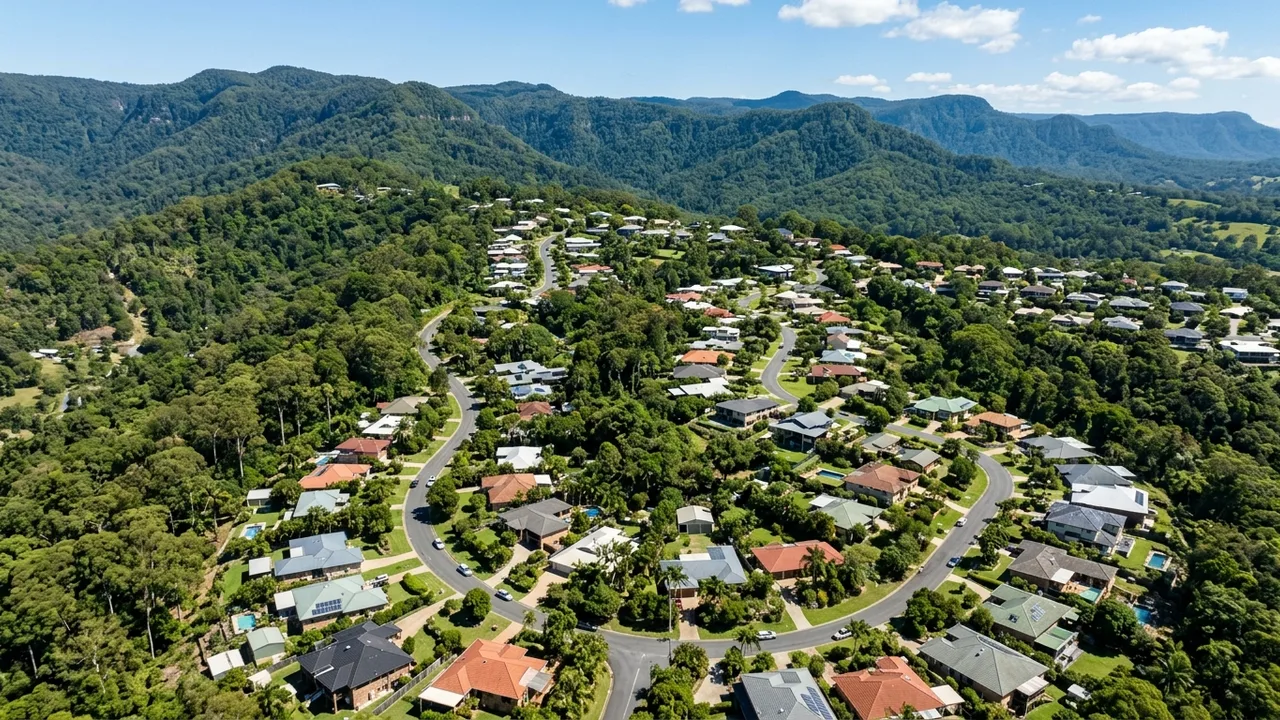
Tamborine Mountain sits on the northern rim of the Scenic Rim, with red volcanic soils, high rainfall and steep, tree-lined blocks. Retaining walls here must manage slope stability, leaf litter and erosion, and taller walls often carry driveway or building surcharge loads that trigger engineering and council approval.
Local landmarks: Tamborine Mountain National Park, Gallery Walk, Curtis Falls. Nearby streets: Eagle Heights Road, Main Western Road, Tamborine Mountain Road.
Tamborine Mountain retaining wall Gold Coast guide
Tamborine Mountain is a volcanic plateau on the northern rim of the Scenic Rim, with red basalt soils, high rainfall and steep, tree-lined residential blocks. The village atmosphere, tourism traffic and narrow mountain roads make access and staging just as important as the wall design.
Contractors are regularly asked to build hillside driveways, tiered garden beds, boundary retaining and erosion-control walls around homes in Eagle Heights and North Tamborine. Leaf litter, termite pressure and heavy runoff mean drainage is always a priority.
Materials that suit Tamborine Mountain blocks
Engineered concrete sleepers, core-filled block and gabion systems are usually specified for the saturated volcanic soils and tree-root zones found on the mountain. Timber is generally limited to low garden beds because of termites and rot in the wet climate.
Getting a quote in Tamborine Mountain
Tamborine Mountain quotes often require an RPEQ design, council building approval, and drainage that handles leaf litter and heavy runoff. Narrow mountain roads and tourist traffic can also affect excavation access and staging.
Working in Tamborine Mountain
Tamborine Mountain National Park, Gallery Walk and Curtis Falls are well-known landmarks. Eagle Heights Road, Main Western Road and Tamborine Mountain Road wind through the residential areas, so contractors often schedule deliveries outside peak visitor periods.
Compliance and approvals for Tamborine Mountain
Most structural walls on the mountain need RPEQ engineering and council building approval. Scenic Rim and steep-site requirements mean drainage, sediment control and vegetation protection are closely scrutinised.
Tamborine Mountain at a glance
- Well-known landmarks: Tamborine Mountain National Park, Gallery Walk, Curtis Falls.
- Main access roads: Eagle Heights Road, Main Western Road, Tamborine Mountain Road.
- Neighbouring areas often quoted together: Eagle Heights, North Tamborine, Mount Tamborine.
- Postcode: 4272.
Retaining wall services across Gold Coast
The Tamborine Mountain area sits on the northern rim of the scenic rim, with red volcanic soils, high rainfall and steep, tree-lined blocks The retaining wall services below are the ones most often quoted for properties in the 4272 postcode.
Tamborine Mountain retaining wall checklist
Before a contractor visits a Tamborine Mountain property, confirm the wall length, finished height, material preference, and whether the wall will support a driveway, fence or pool deck. Access from Eagle Heights Road, Main Western Road, Tamborine Mountain Road can affect machine and material delivery, especially on blocks near Tamborine Mountain National Park, Gallery Walk, Curtis Falls. Homes in the 4272 area often share retaining-wall challenges with neighbouring Eagle Heights, North Tamborine, Mount Tamborine, so site visits can sometimes be grouped to keep travel time down.
- Measure the approximate wall length and maximum retained height.
- Note any surcharge loads such as driveways, patios or fences.
- Identify a legal stormwater discharge point to the kerb or stormwater system.
- Mention nearby landmarks or access constraints specific to Tamborine Mountain.